
Ketamine Assisted Psychotherapy
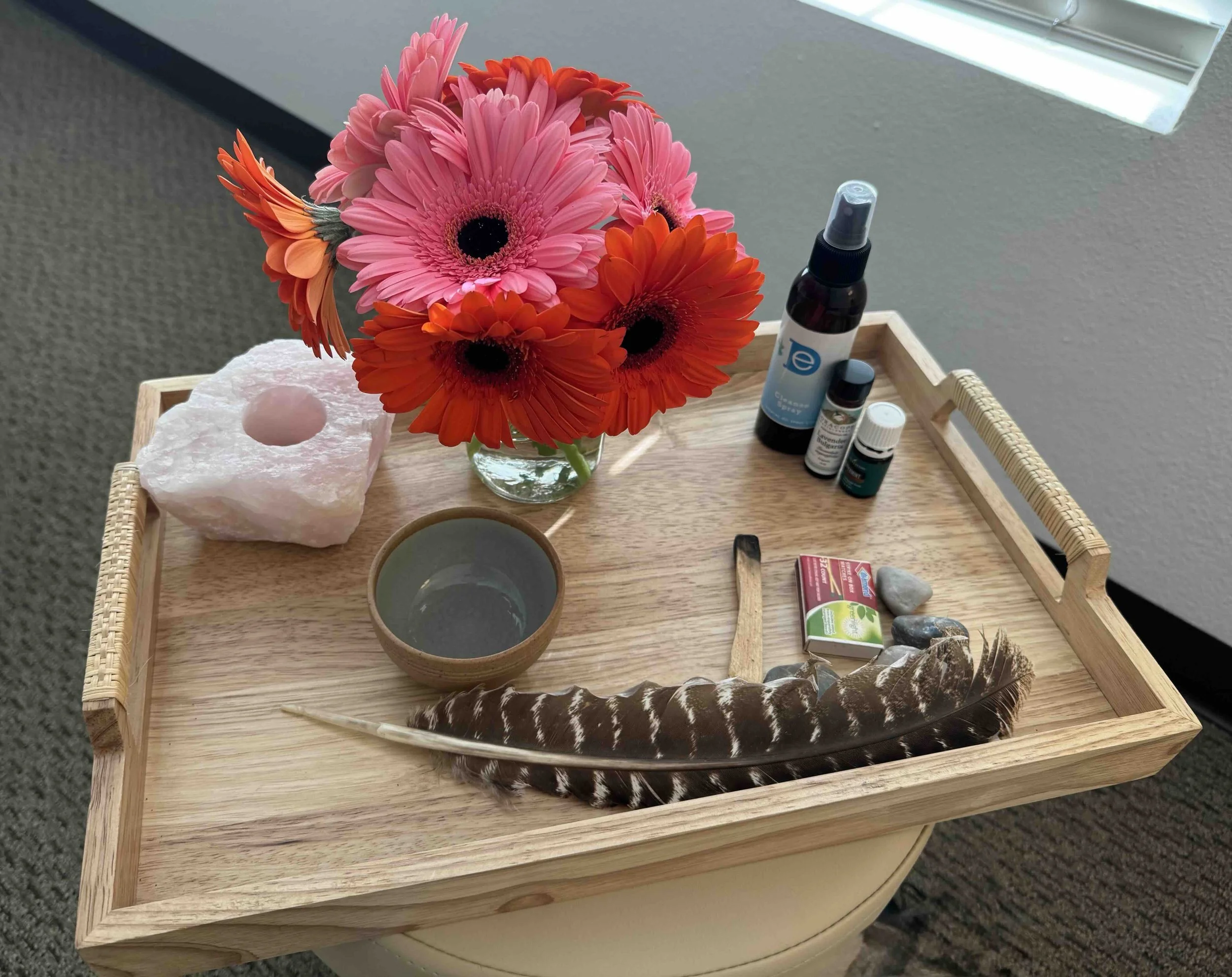
Ketamine-Assisted Psychotherapy (KAP) is a holistic and experiential approach that combines the therapeutic effects of ketamine with the depth and safety of psychotherapy. In a supportive, intentional setting, ketamine can help quiet habitual patterns of thought and open access to deeper emotional and somatic material. This process may facilitate profound insight, emotional release, and renewed connection to self. I integrate KAP within a compassionate and trauma-informed framework, ensuring each session is tailored to your individual needs and grounded in careful preparation and integration. To learn more about how ketamine works click here.
-
What is Ketamine-Assisted Psychotherapy?
Ketamine-Assisted Psychotherapy (KAP) is an intentional therapeutic process that combines psychotherapy with the supported use of ketamine, when clinically appropriate and prescribed by a licensed medical provider. Rather than being a standalone treatment, ketamine is one tool within a larger healing process that includes thoughtful preparation, a supported therapeutic experience, and ongoing integration.How does KAP work?
Ketamine may soften rigid patterns and create more space internally, allowing thoughts, emotions, and parts of the self to be accessed with greater curiosity and compassion. Many clients notice that they can step back from old narratives and relate to themselves with more openness and less reactivity. Although deep insights can be gained during the medicine experience itself, the real changes result from the work done after the session, when your brain is in a more plastic (changeable) state.What is your role in this process?
My role is to provide a grounded, attuned, and trauma-informed therapeutic container. This includes preparation, emotional support, nervous system tracking, and integration. I am there to help you make sense of what emerges in a way that feels safe, meaningful, and sustainable.Do you prescribe ketamine?
No. As a licensed psychologist, I do not prescribe medication. Ketamine must be prescribed and medically overseen by a licensed physician or qualified medical provider. I collaborate with a prescribing MD to support safety, continuity of care, and a cohesive therapeutic experience.What is a ketamine session like?
You will come to the office in comfortable clothing, having fasted for several hours beforehand. We will check in to review your intentions as well as any other questions that may have come up. We will ensure your blood pressure and heart rate are in an appropriate range to initiate KAP. You will self-administer the medicine and swish it around your mouth for up to 15 minutes, at which point you will spit it out.Typically, people start to feel the medicine starting to take effect by then. You will lower your eye shades and lay back onto the couch. Your mind will drift and float. You may have vivid visuals, colors, shapes, or may see nothing at all. Some people see things they have never seen before, or revisit old memories. We will have thoroughly discussed how to navigate the journey during our prep sessions, and I will be right beside you the entire time if you should need me. Although you will feel the effects of the medicine for approximately 45 – 60 minutes, we have plenty of time reserved to ensure you feel ready to begin the session and oriented before you leave.
Will I be alone during the session?
No. My intention is to offer a regulated, compassionate presence so you feel accompanied, safe, and not alone in your inner experience. I will not interrupt your experience or make physical contact with you unless I am concerned for your safety.Is KAP a quick fix?
No. While some clients experience meaningful shifts, this work is not about bypassing pain or rushing healing. It is about creating the conditions for deeper self-connection, insight, and nervous system repair over time.Is KAP the same as recreational ketamine use?
No. Clinical Ketamine-Assisted Psychotherapy is very different from non-medical or recreational use. This work takes place in a structured, intentional, and therapeutic setting focused on safety, integration, and healing.How many sessions will I need?
This varies from person to person. Some clients engage in a short series of 1-3 sessions, while others integrate KAP into longer-term therapeutic work. We will collaboratively determine what feels clinically appropriate, sustainable, and aligned with your goals. Most frequently, I see folks for 6-8 medicine sessions.How do I know if KAP is right for me?
One of the positive aspects of ketamine is that it “plays well” with many other medications including SSRIs that can be contraindicated with other psychedelic medicines. The first step is to complete a ketamine intake screening free of charge. If I determine that you are a good candidate for KAP, I will refer you to a physician for a thorough medical intake. The three of us (you, me, and the medical provider) will determine whether this approach feels safe, aligned, and supportive for your healing journey, or whether another path may be more appropriate. If you are currently working with a mental health professional, I am happy to collaborate closely with them during your care.What is the price of KAP? Do you work with insurance?
I am not paneled with any insurance providers, although you may want to contact your carrier to see if your KAP sessions are eligible for partial reimbursement. In an effort to mitigate cost, the fee for KAP is a bit lower than my hourly rate.• 3 each of prep and integration sessions - $225/hr
• Medicine session in office 2.5 hours - $575
• Medicine session in your home (within 20 mi radius) - $700
• Additional sessions - $250/hr
-
What is Ketamine-Assisted Psychotherapy (KAP)?
KAP combines ketamine medicine sessions with structured psychotherapy preparation and integration. My approach is trauma-informed and relational, integrating Somatic Experiencing, mindfulness, and parts work to support deep, sustainable healing.What types of clients does KAP benefit the most?
KAP may be particularly beneficial for clients with treatment-resistant depression, complex trauma or PTSD, chronic anxiety, or those who feel “stuck” in long-standing patterns. It can also support clients who have difficulty accessing emotion, are highly defended, or are seeking deeper experiential and somatic work. KAP is often an excellent adjunct for clients already engaged in ongoing psychotherapy.Are there clients who may not be appropriate for KAP?
Careful screening is essential. Contraindications may include a history of psychosis or mania, uncontrolled medical conditions, certain cardiovascular conditions, active substance dependence, or insufficient stability and support. All clients undergo thorough psychological and medical screening prior to acceptance.What is the referral process?
Referrals may be made via email introduction (with client consent), client self-referral, or an optional clinician consultation. I offer a complementary consultation to determine if your client might be a good candidate. If we decide to proceed, I will make a referral to the prescribing physician. When they determine your client is eligible for KAP, they will prescribe the medication and make adjustments as needed. I will develop a treatment plan including preparation, medicine sessions, and integration, and maintain collaborative communication with you when releases are signed.How do I make a referral?
Please reach out via my contact form. With client consent, it is helpful to include presenting concerns, relevant history, current medications (if known), and your role in the client’s ongoing care.Who does the client belong to while we are working together?
The client remains your client. My role is adjunctive and collaborative unless otherwise discussed. I aim to complement, not replace, the primary therapist and strongly encourage clients to continue with their primary therapist throughout the KAP process whenever possible.How is communication handled between clinicians?
With signed releases, I provide clinically appropriate updates, consult on emerging themes, and coordinate integration support. My intention is transparency, respect for your therapeutic relationship, and shared clinical stewardship.What does the KAP process look like
The process typically includes preparation sessions (safety, resourcing, and readiness), medicine sessions held in a trauma-informed environment, and integration sessions focused on meaning-making, nervous system regulation, and sustainable change. The number of sessions is individualized based on client needs.What is the cost of KAP services?
KAP is a specialized service and is typically private pay. Fees may include intake and evaluation, preparation sessions, medicine sessions, and integration sessions. A current fee schedule is available upon request, and superbills may be provided for possible out-of-network reimbursement.Does insurance cover KAP?
Most KAP services are not directly covered by insurance. However, certain psychotherapy components may be eligible for out-of-network reimbursement depending on the client’s plan.Do you prescribe ketamine?
I collaborate with licensed medical providers who conduct medical screening and prescribing. I do not prescribe medication, ensuring clear scope of practice and comprehensive client safety.How long do clients typically work with you for KAP?
Treatment length varies. Some clients engage in a brief, focused course of KAP, while others benefit from a longer arc of depth-oriented preparation and integration work. Care is individualized rather than protocol-driven.Can I remain the primary therapist during the KAP process?
Yes, this is ideal. Clients tend to benefit most when KAP is integrated into an existing therapeutic relationship. I welcome collaboration and view your ongoing work as essential to long-term stabilization and growth.What is your clinical orientation with KAP?
My approach is trauma-informed, somatically grounded, relational, and gently paced. I prioritize nervous system regulation, titration, and integration over rapid catharsis.Do you offer consultation for clinicians unsure if KAP is appropriate?
Yes. I am happy to offer brief consultation to help determine whether KAP is a good fit for your client prior to referral. Please reach out via my contact form.